Short answer — in window furnishings, blockout and blackout generally describe the same thing: fabric constructed to block out light almost entirely, rather than just filter it.
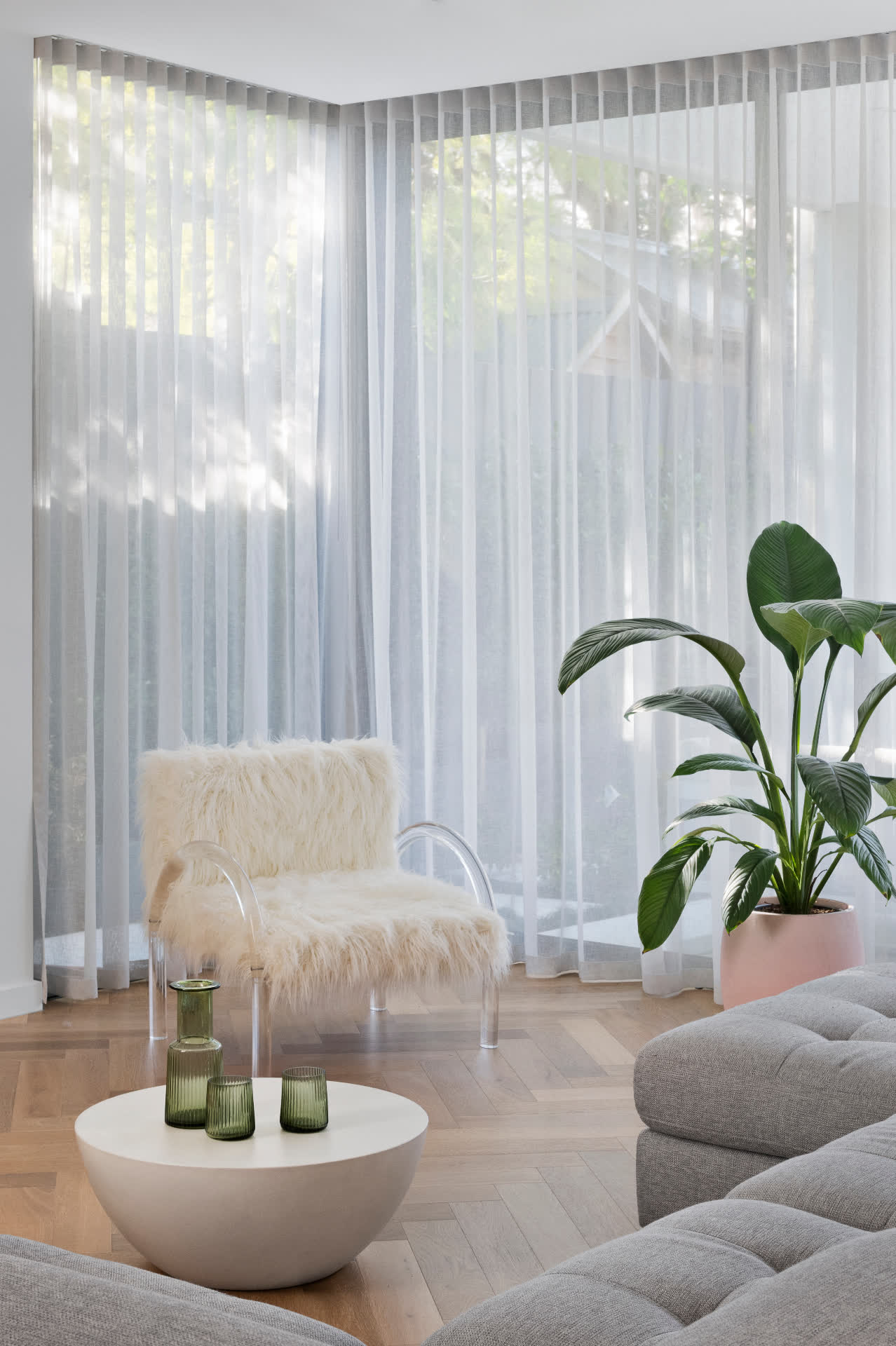
At Tiptop Blinds we use "blockout" as our standard term, whether we're talking about curtains or roller blinds. The fabric works the same way in both cases — a dense, layered construction that stops light passing through, as opposed to sheer or sunscreen fabrics, which are designed to filter light rather than block it.
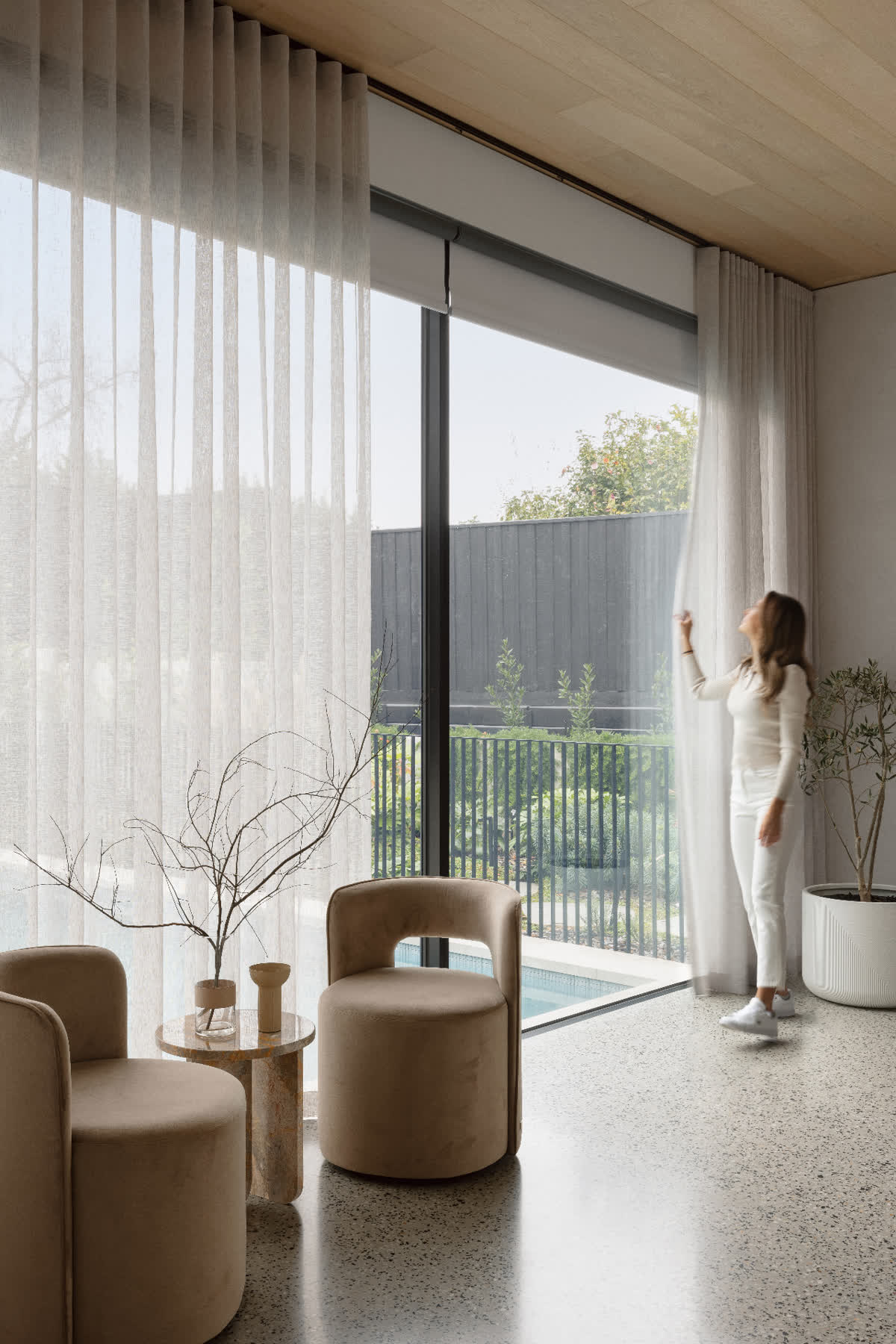
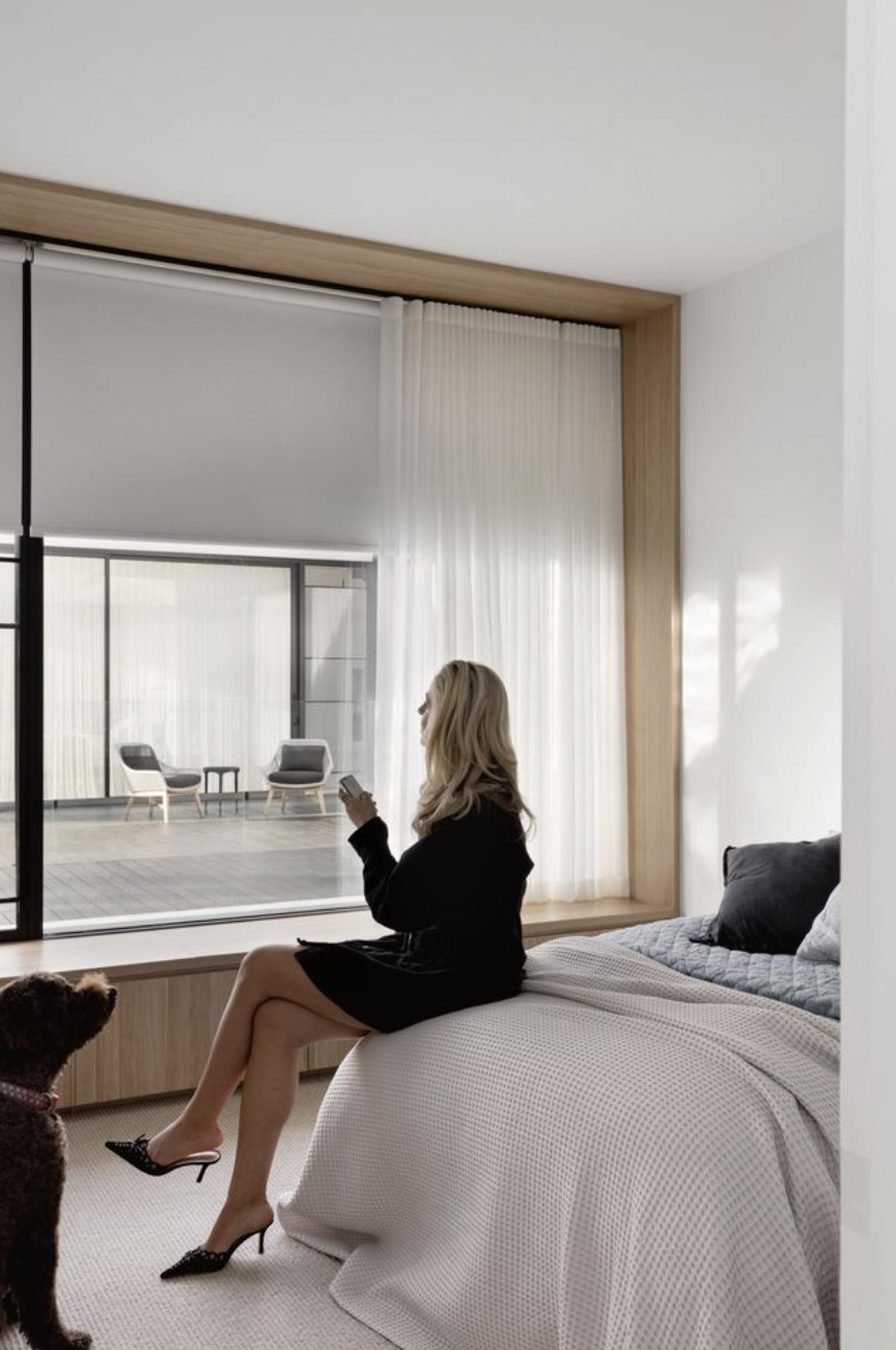
Where the terms can cause confusion is coverage, not fabric. Two blockout products can use identical fabric but perform differently depending on how they're installed — a blockout curtain hung ceiling-to-floor and extending past the frame will block more total light than a blockout roller blind sized to the window opening, simply because it covers more area.
FAQs
What's the difference between blockout and blackout?
In window furnishings, the two terms generally refer to the same type of fabric — one built to block light almost completely rather than filter it. Tiptop uses "blockout" as the standard term for both curtains and roller blinds.
Is blockout fabric completely light-proof?
No fabric is entirely light-proof once installed — small gaps around the edges of any curtain or blind can let some light through. Coverage and installation affect the result as much as the fabric itself.
Do blockout curtains and blockout roller blinds use the same fabric?
Not necessarily the same fabric, but the same principle — a dense, layered construction designed to stop light passing through, distinct from sheer or sunscreen fabrics.
Should I choose blockout or sunscreen fabric?
Blockout suits rooms where privacy, darkness and insulation matter most, like bedrooms. Sunscreen fabric suits rooms where you want glare reduction during the day while keeping the view.
Related reading
Not sure which fabric suits your rooms? [Book a Free Measure & Quote](/contact) with Tiptop Blinds — in-home, across Melbourne.