The difference comes down to fabric behaviour and look.
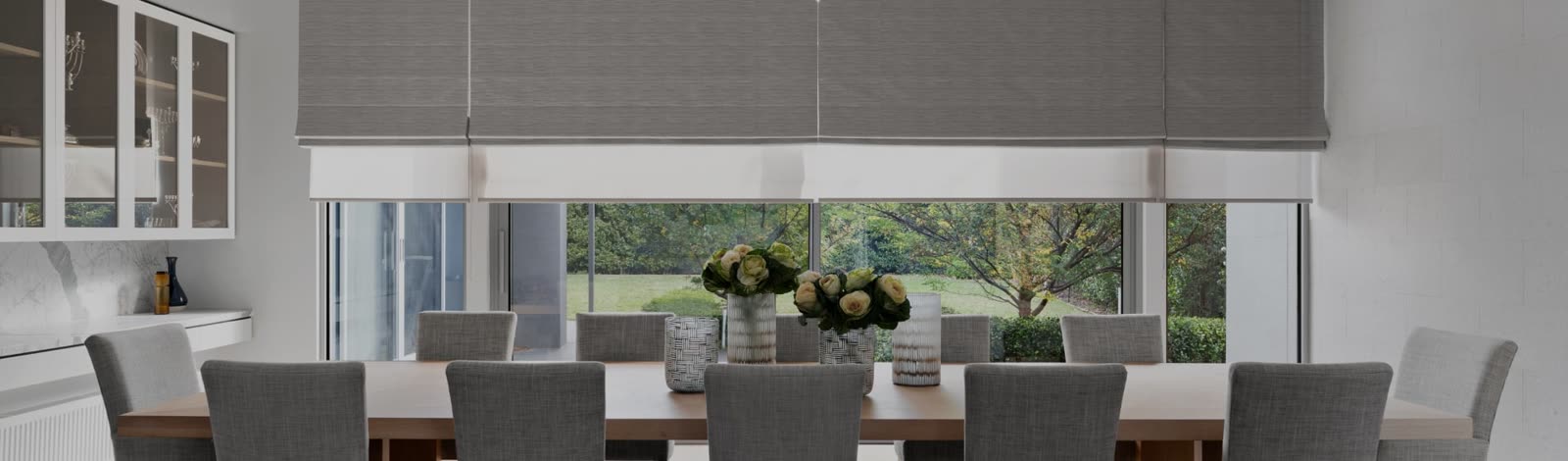
Roman blinds use soft drapery fabric that folds neatly into horizontal pleats as it's raised, and sits flat and close to the window when lowered. They bring a softer, more traditional feel and suit bedrooms, studies and homes with a classic style. An optional blockout lining adds insulation and darkens the room.
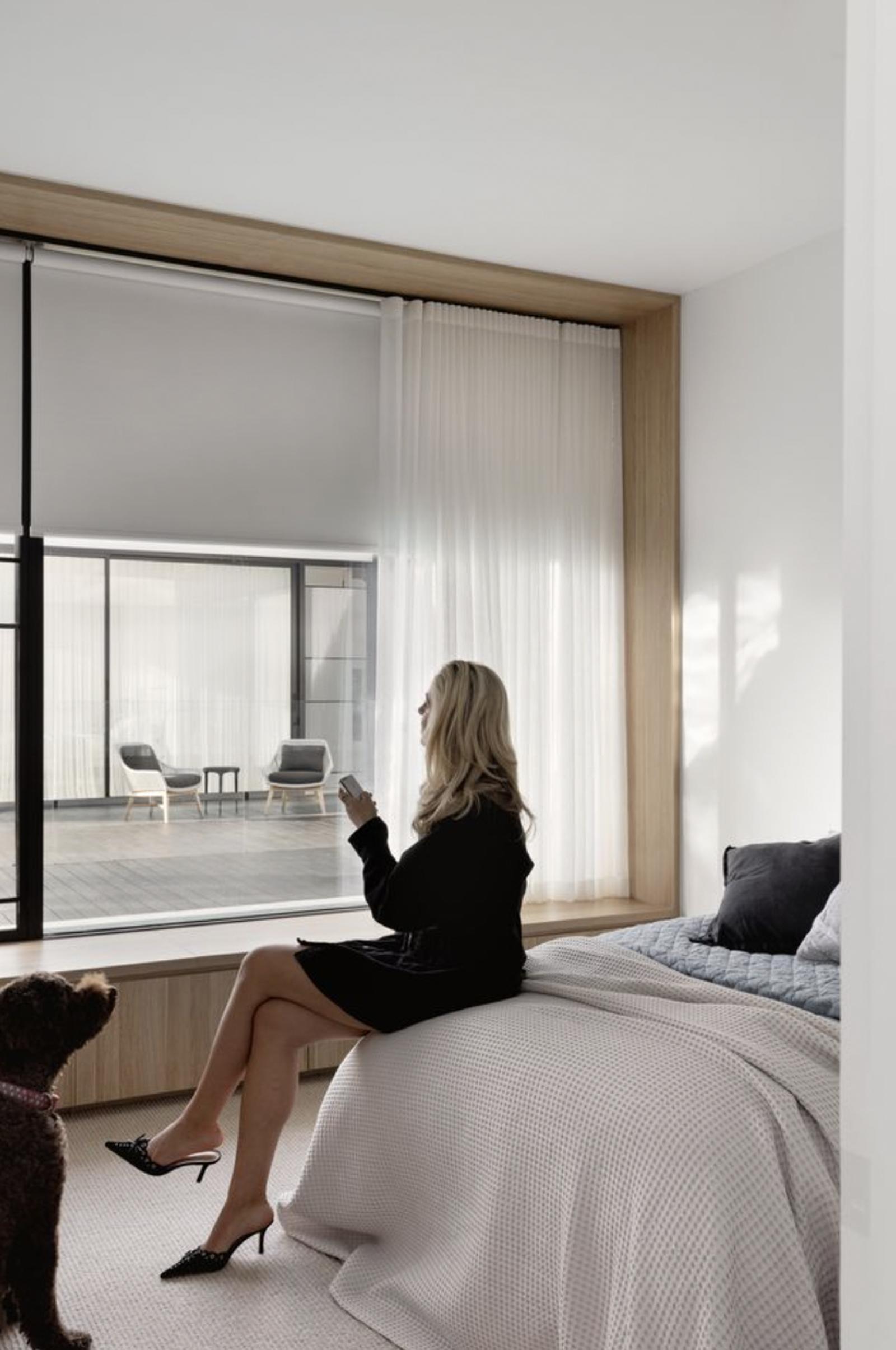
Roller blinds use a single continuous fabric that rolls up onto a tube. They give a cleaner, more architectural line and come in blockout fabric for insulation and darkness, or sunscreen fabric for daytime glare reduction while keeping the view.
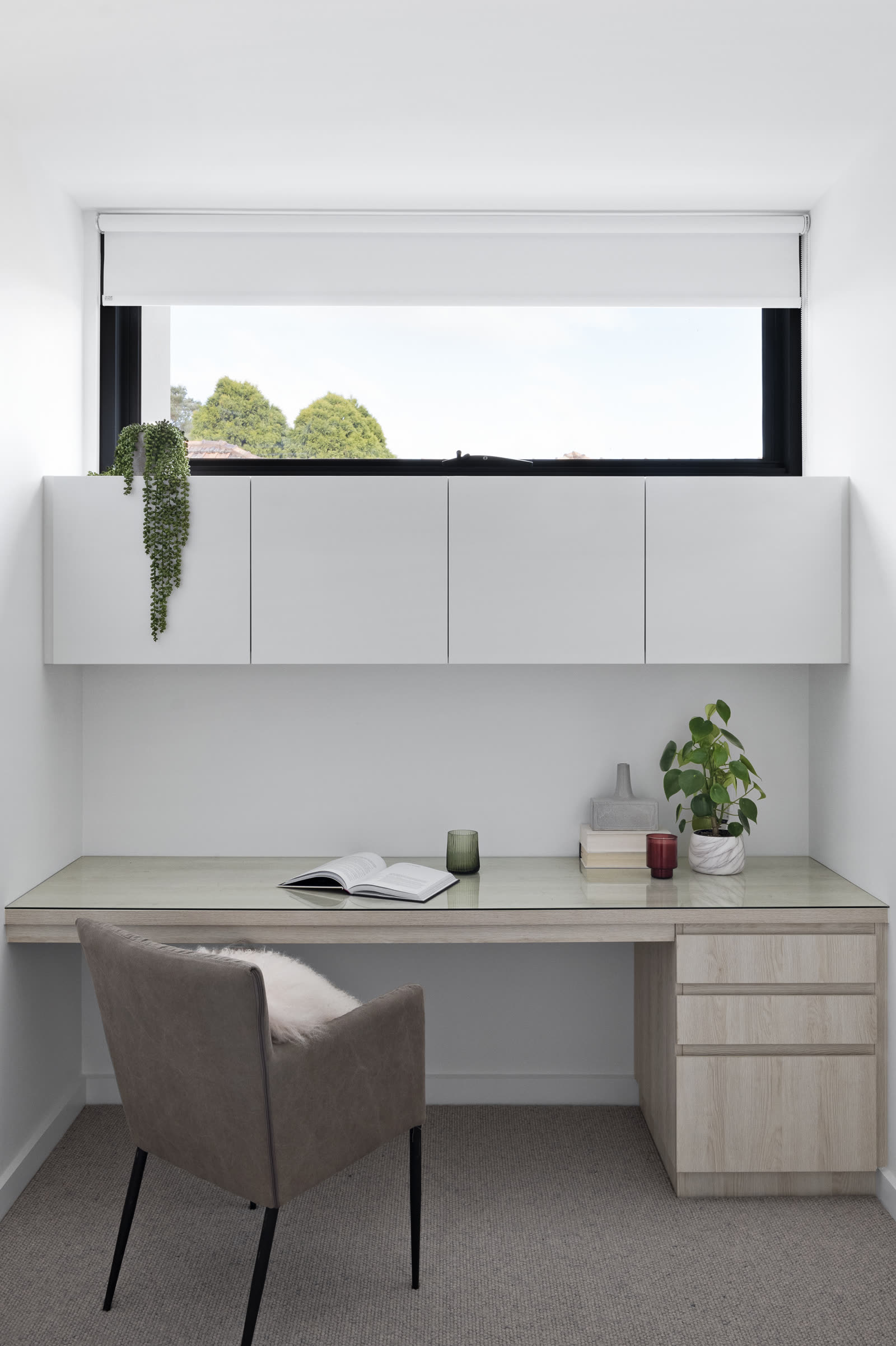
Neither is objectively better — it's a style and function call. Roman blinds suit homes wanting a softer, layered look. Roller blinds suit homes wanting a simpler, more contemporary line, and offer the sunscreen option roman blinds don't.
FAQs
What's the difference between Roman blinds and roller blinds?
Roman blinds use soft fabric that folds into pleats when raised and suit a softer, traditional look. Roller blinds use a single fabric that rolls onto a tube, giving a cleaner architectural line, and are available in blockout or sunscreen fabric.
Are Roman blinds as insulating as roller blinds?
With an optional blockout lining, Roman blinds can insulate well, similar to a blockout roller blind. Without the lining, they're closer to a decorative option.
Which is better for a bathroom or kitchen — Roman or roller?
Roller blinds are generally easier to keep clean and more practical in areas prone to moisture, while Roman blinds suit rooms where a softer look matters more than easy wipe-down maintenance.
Can I get a sunscreen version of a Roman blind?
Sunscreen fabric is typically offered on roller blinds, not Roman blinds. If daytime glare reduction while keeping the view is the priority, a sunscreen roller blind is the better fit.
Related reading
Choosing between Roman and roller blinds? [Book a Free Measure & Quote](/contact) with Tiptop Blinds — in-home, across Melbourne.