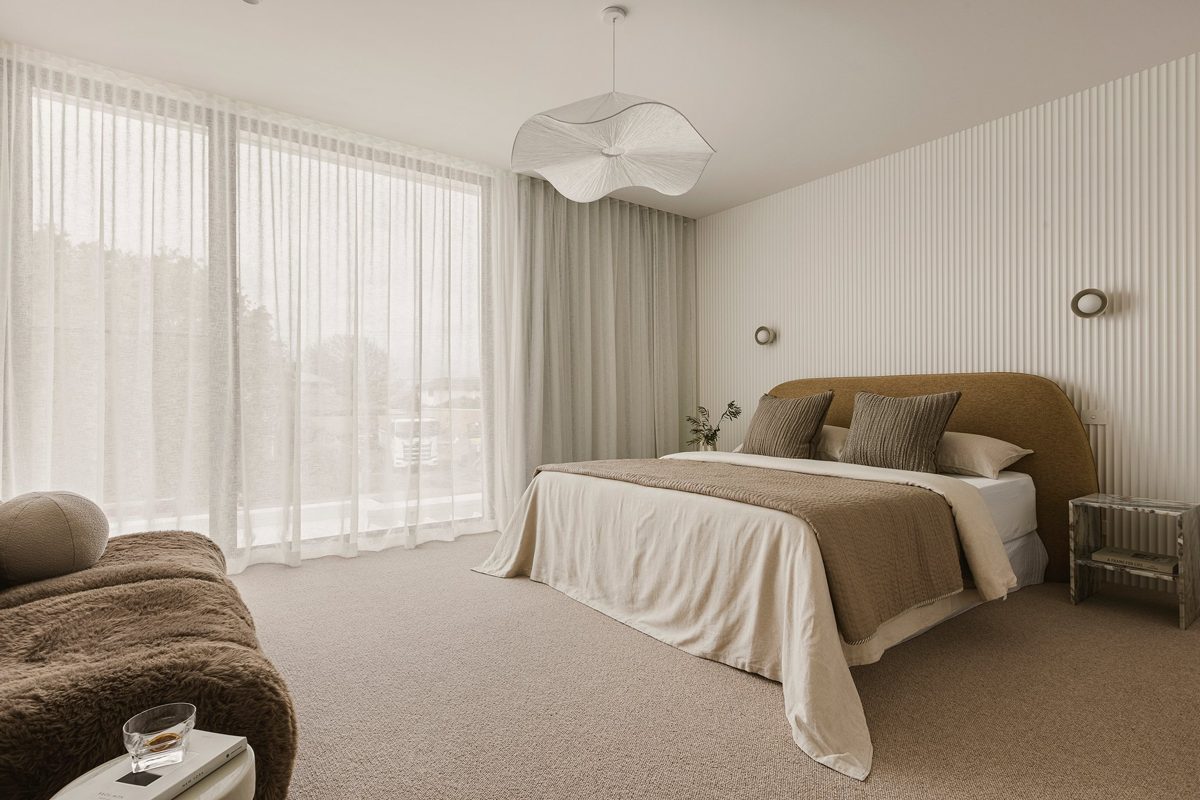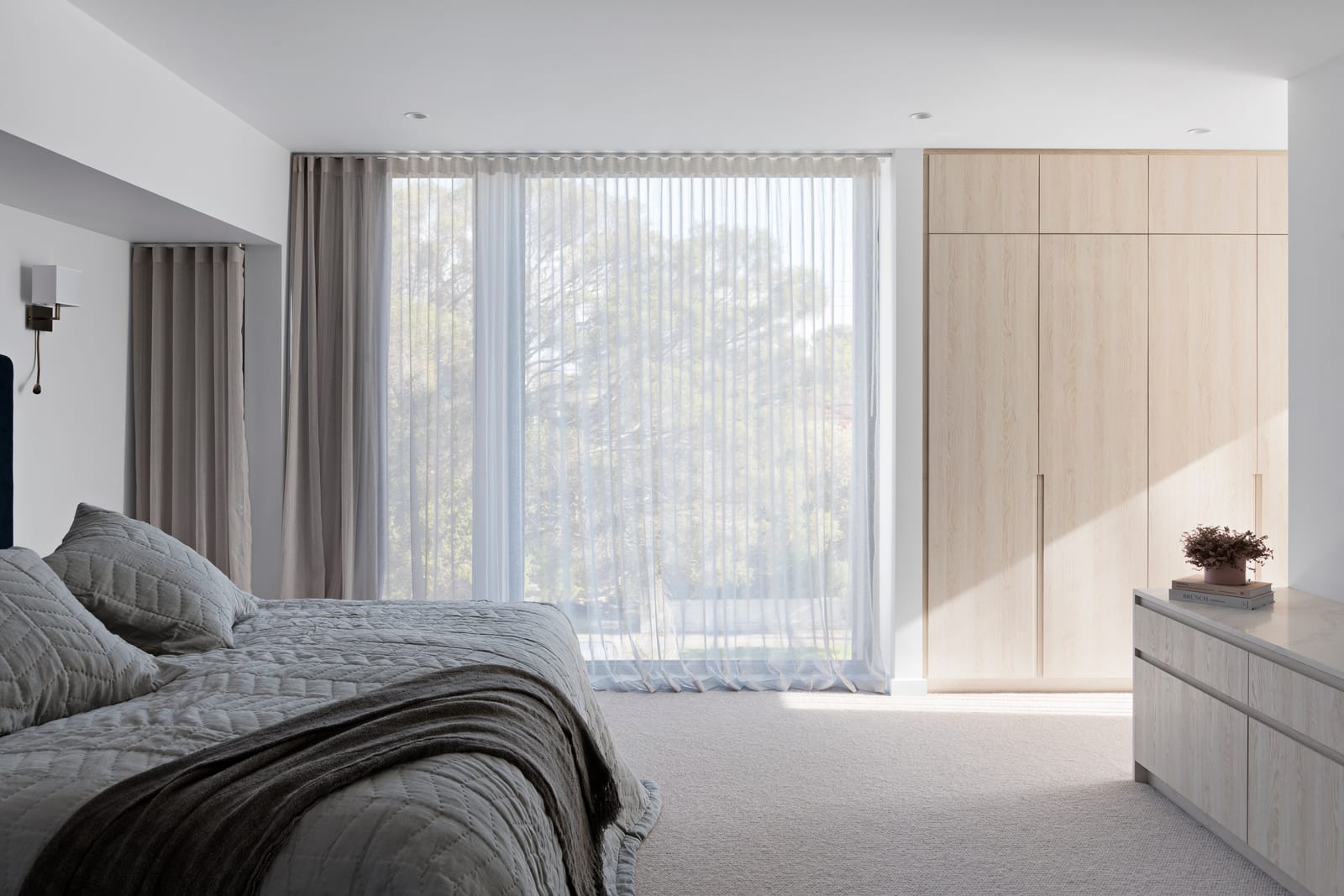
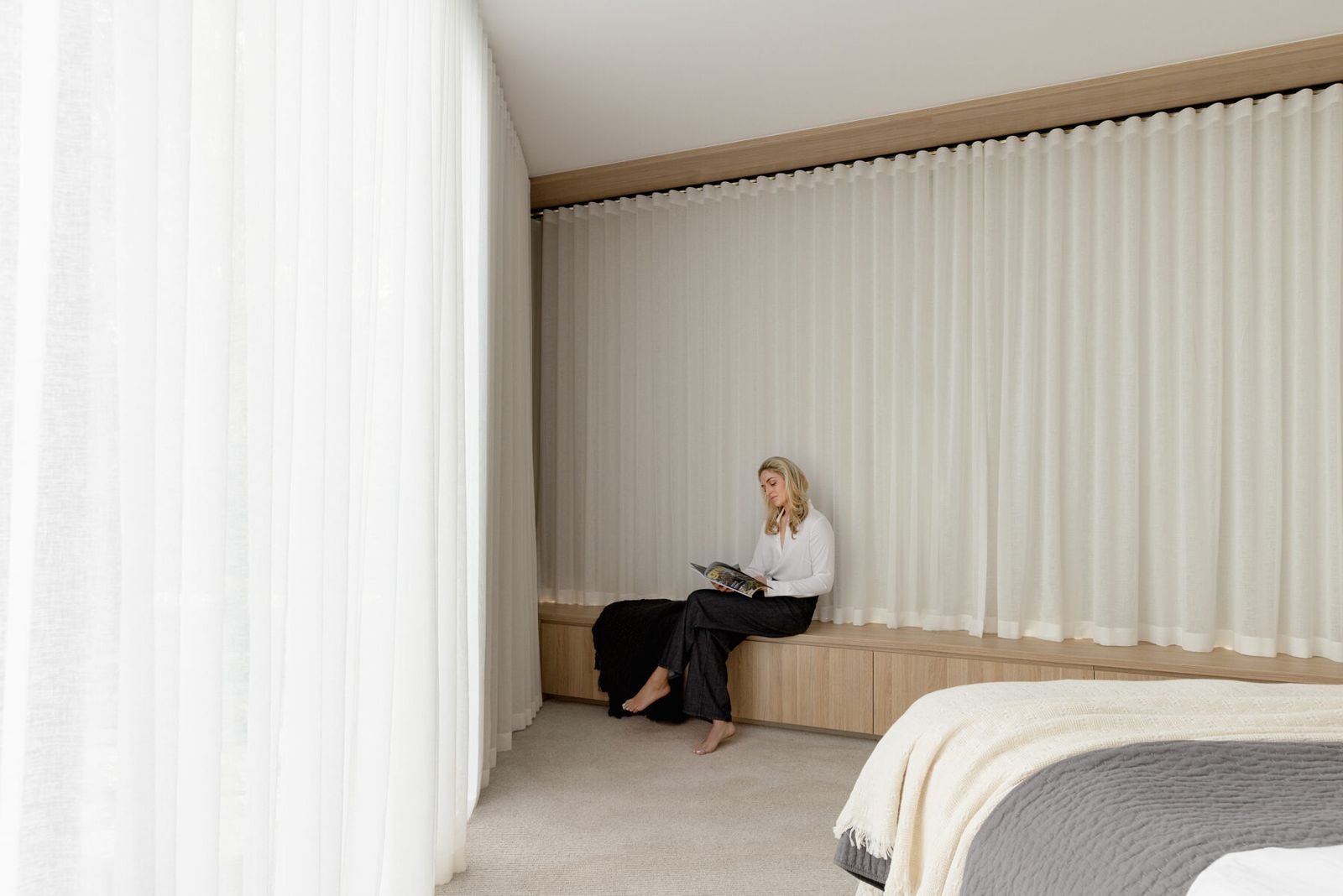
Large windows are exactly where curtains earn their keep — but they need to be fitted generously to work properly.
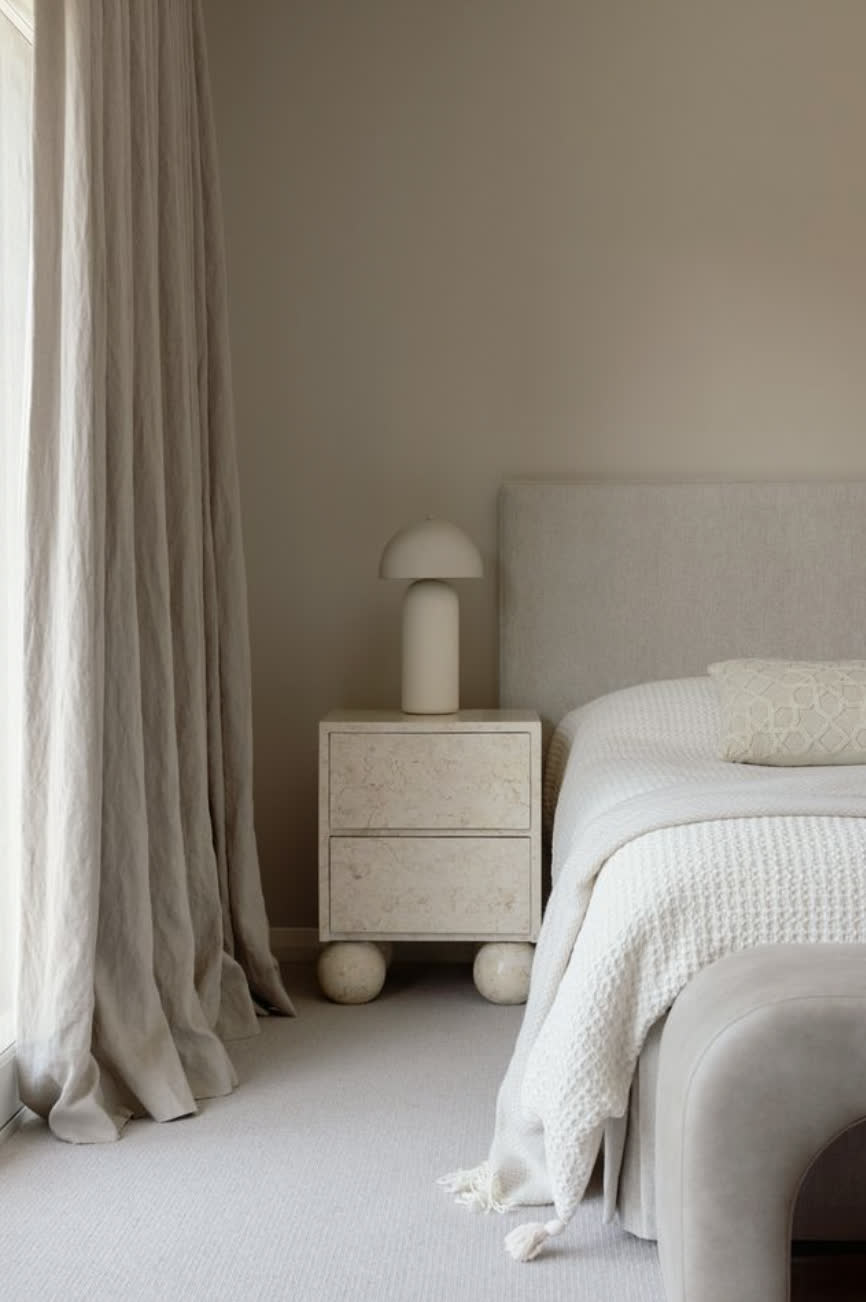
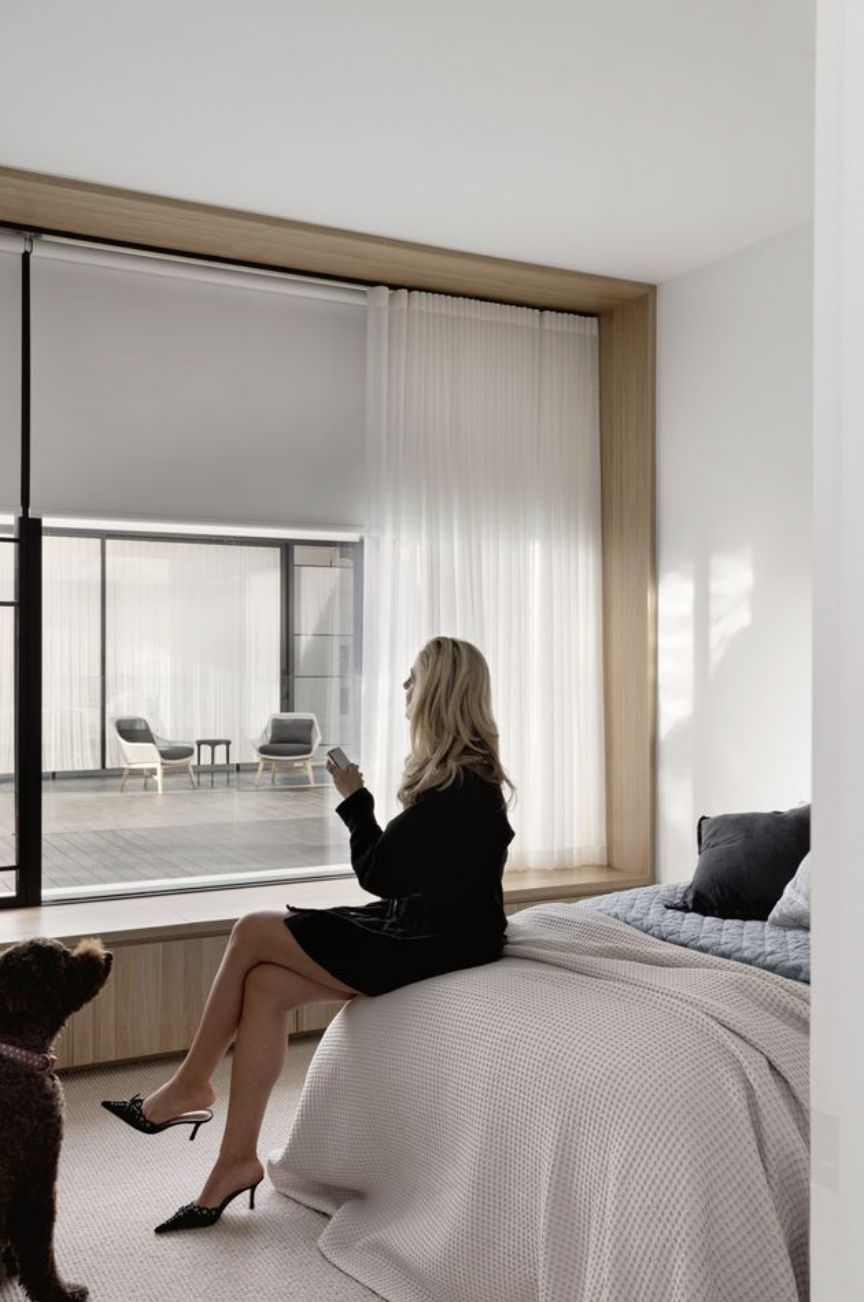
The key is coverage well beyond the glass itself: hung ceiling-to-floor and extending past the window frame on both sides, so the curtain covers more wall than window. On a large or floor-to-ceiling window, that extra margin makes a much bigger difference than it would on a small window, both for insulation and for how the room feels.
For very large expanses of glass, a double curtain setup — sheer for daytime softness, blockout for night-time warmth and darkness — is usually the strongest option, since a single layer can start to feel thin against that much glass. Fullness (how much fabric is gathered across the width) also matters more visually on a large window, giving a richer look rather than a flat, stretched appearance.
FAQs
What are the best curtains for a large or floor-to-ceiling window?
Curtains hung ceiling-to-floor and extending well past the window frame perform best on large windows. For very large glass expanses, a double curtain setup with both sheer and blockout layers is usually the strongest option.
Do large windows need more fabric fullness?
Generally yes — more fullness gives a richer, more finished look on a large window, whereas a flatter curtain can look stretched or thin against a lot of glass.
Is a single curtain layer enough for a floor-to-ceiling window?
It can be for a straightforward room, but for very large glass expanses many homeowners prefer a double curtain setup for extra warmth, darkness and a fuller look.
Do large windows cost significantly more to curtain?
Larger windows use more fabric, so cost does increase with size — a free in-home measure and quote is the most accurate way to know the number for your specific window.
Related reading
What's the Best Window Covering for a Cold Bedroom?
Curtaining a large window? Book a Free Measure & Quote with Tiptop Blinds — in-home, across Melbourne.