A shopfront or café frontage does two jobs at once — it needs to protect the space (and the people in it) from Melbourne's weather, and it needs to make the place look like somewhere worth stopping at.
Awnings and outdoor blinds, done well, handle both.
Shade and weather protection that keeps trade moving
An exposed outdoor seating area or shopfront entrance loses customers on hot, wet or windy days — people simply don't stop. A well-fitted awning or Zipscreen-style blind keeps that space usable through more of the year, which matters directly to footfall and outdoor seating capacity for cafés and hospitality venues in particular.
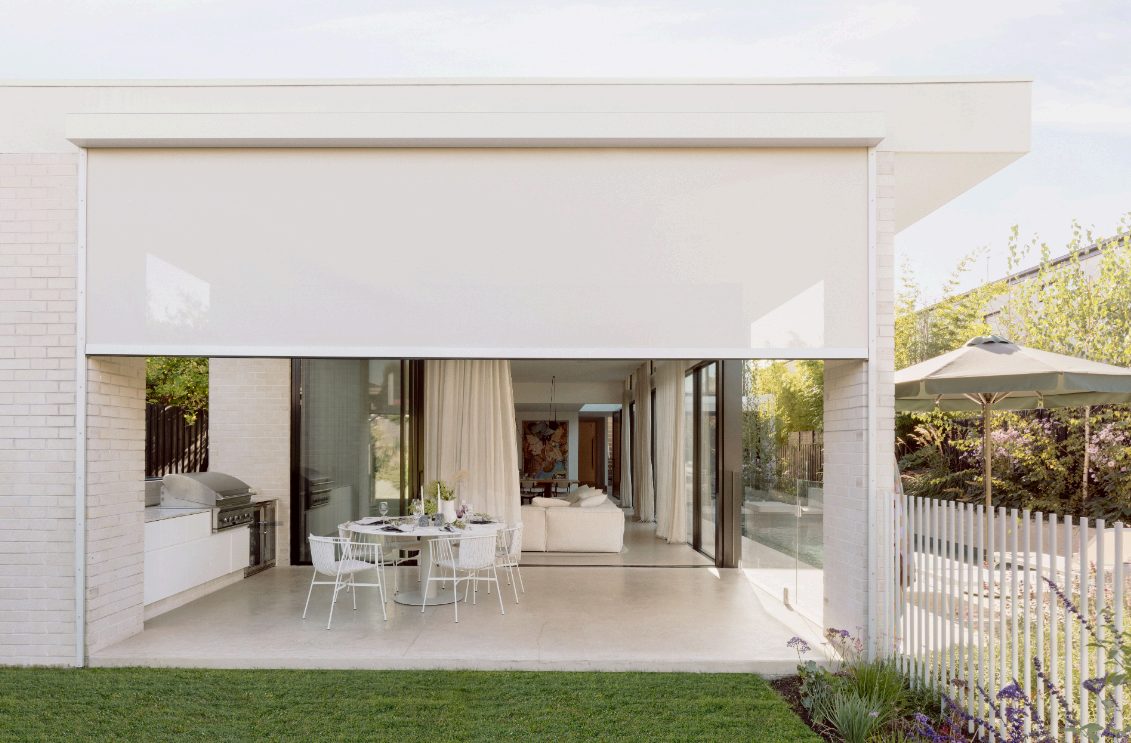
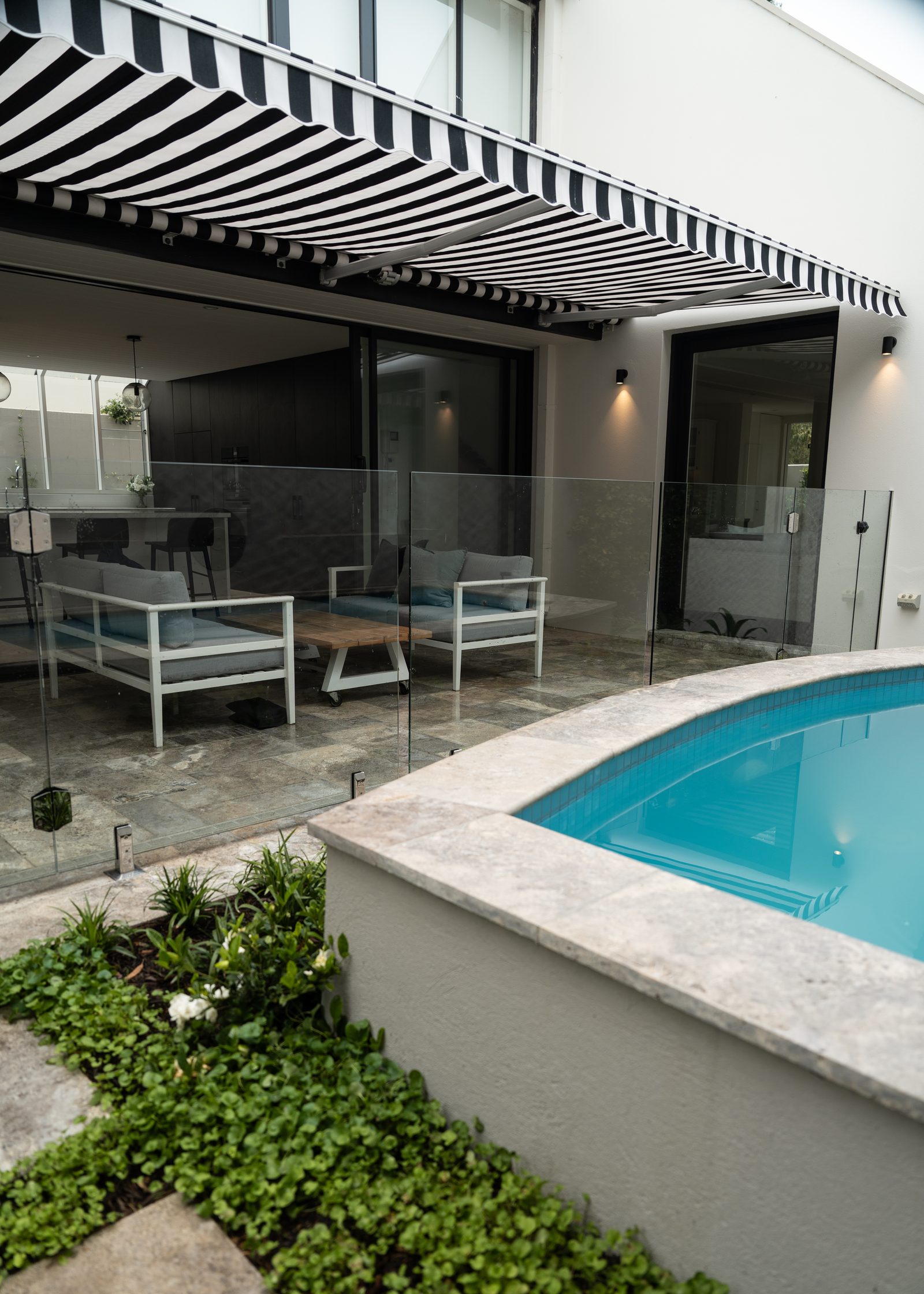
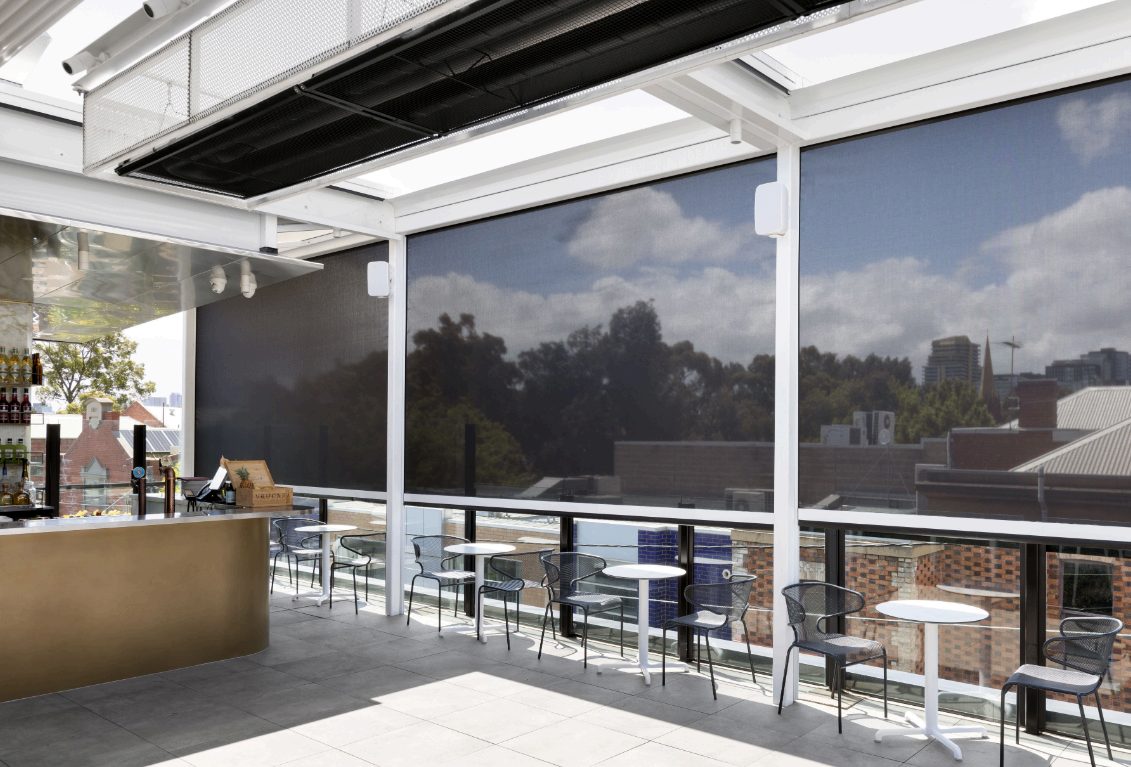
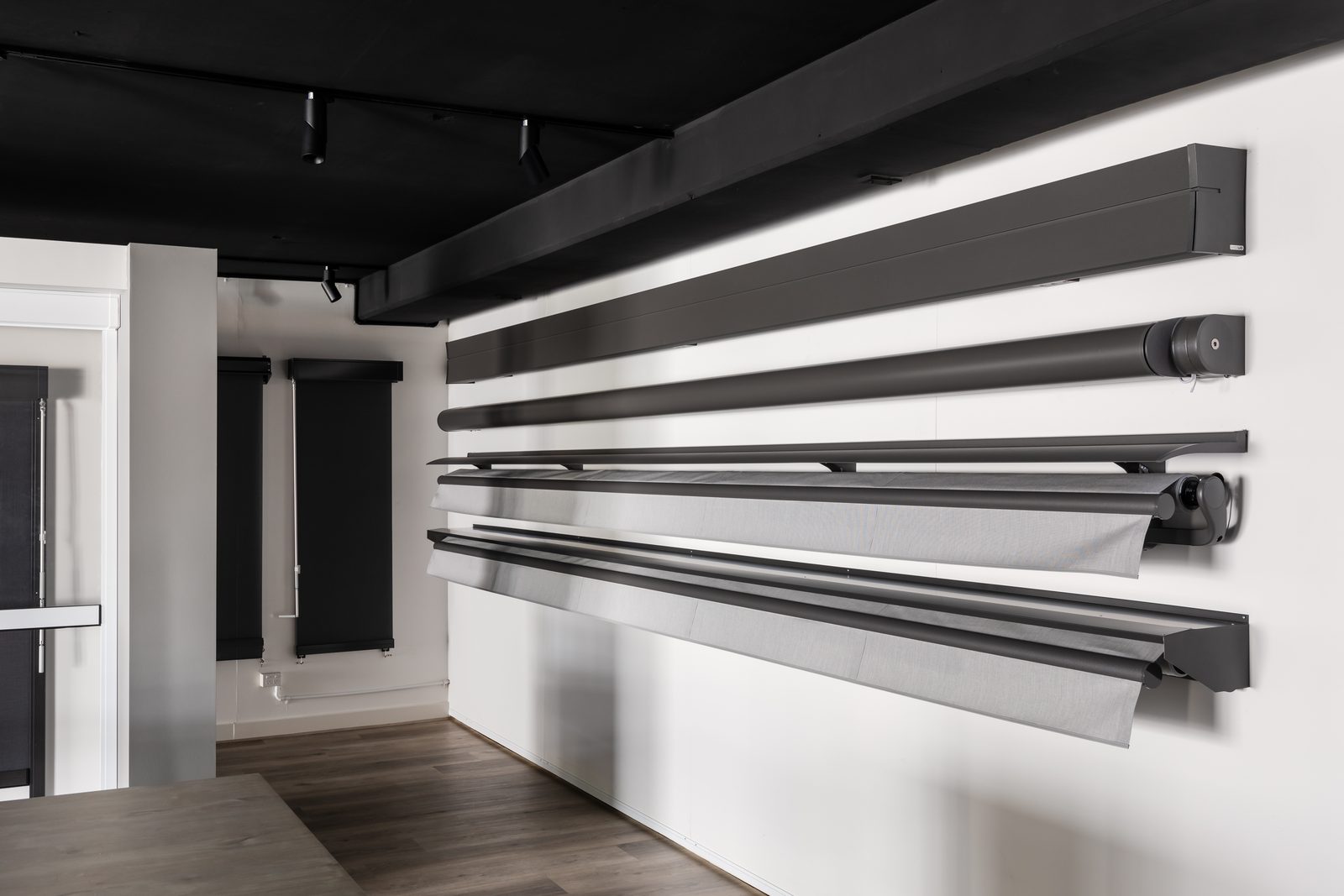
Folding arm awnings suit shading a window, entrance or footpath dining area that needs to be adjustable through the day. Zipscreen-style outdoor blinds suit fully enclosing an alfresco or courtyard dining area against wind and rain.
Street presence
An awning is also one of the most visible parts of a shopfront — it's what people see from across the street before anything else. A clean, well-maintained awning signals a business that takes care of its space, in a way a bare, exposed frontage doesn't.
What commercial and hospitality clients typically need
Getting started
Every shopfront and hospitality fitout is different — frontage width, council or landlord requirements, and how the space is used through the day all shape the right solution. Tiptop measures and quotes commercial jobs the same way as residential ones: in person, against the actual space.
Working around an existing lease or building
For tenants rather than building owners, it's worth checking lease terms or landlord approval before committing to a design, since exterior alterations to a leased shopfront often need sign-off. Tiptop's team can work from whatever constraints apply — matching an existing colour scheme, working within a body corporate's approved styles, or designing something new where there's more flexibility — so this is worth raising early in the conversation rather than after a quote is finalised.
Making a shopfront memorable, not just functional
Beyond the practical case, an awning is genuinely part of a shopfront's branding — colour, fabric choice and even the shape of the awning contribute to how a business reads from the street before a customer has stepped inside. It's worth treating the decision with the same care as any other piece of frontage design, rather than purely as a weather-protection line item, particularly for hospitality venues where outdoor seating is part of the draw.
The process for commercial and hospitality jobs
Commercial jobs are measured and quoted the same way as residential ones — in person, against the actual frontage or space — but typically involve a few extra conversations upfront: confirming trading hours so installation causes minimal disruption, checking any landlord, strata or council requirements that apply to the building, and, for multi-window or full-frontage jobs, making sure the finished look is consistent across the whole site.
Practical considerations for a commercial fitout
Commercial and hospitality spaces generally put more daily wear on an awning or outdoor blind than a residential job — more operating cycles, more foot traffic nearby, and less tolerance for downtime if something needs adjusting. That makes durable fabric and, on larger spans, motorisation worth prioritising even where a residential job might get by without them. It's also worth flagging any existing signage, lighting or heating that needs to work alongside a new awning, so it's accounted for at the quote stage rather than after installation.
Keeping a commercial awning looking its best
Because a shopfront awning is part of how a business presents itself, upkeep matters more than it does on a backyard deck. The basics are simple: retract the awning in strong wind (or let a wind sensor do it automatically on a motorised unit), give the fabric an occasional wash with mild soap and water, and keep tracks and moving parts clear of debris. Fabric that's faded, stained or sagging reads badly from the street long before it stops working, so it's worth acting on early — in many cases an existing frame can be recovered with new fabric rather than replaced outright.
Staging a commercial fitout
If the budget for a full frontage isn't available all at once, it's completely reasonable to start with the part of the space that loses the most trade to weather — the footpath dining area, or the side that catches the worst of the afternoon sun — and extend the fitout later. Because each awning or zip-track blind is fitted individually to its own opening, adding more units down the track is a straightforward job rather than a full re-fit, and the finish can be matched so the completed frontage still reads as one consistent design.
It's worth flagging that intention at the quote stage, so the first stage is specified in a way that the later stages can match.
Frequently asked questions
Does Tiptop do commercial and shopfront awnings, or only residential?
Tiptop Blinds supplies and installs awnings and outdoor blinds for commercial and hospitality spaces across Melbourne, alongside residential work — from shopfront entrances to café and restaurant outdoor dining areas.
What's the best awning for a café or restaurant outdoor area?
A folding arm awning suits shading a window or footpath dining area that needs to be adjustable through the day, while a Zipscreen-style outdoor blind suits fully enclosing a courtyard or alfresco dining area against wind and rain. Many hospitality venues use a combination of both.
Related reading
Have a shopfront, café or commercial space that needs shade or weather protection? [Book a Free Measure & Quote](/contact) with Tiptop Blinds — we quote commercial jobs across Melbourne.